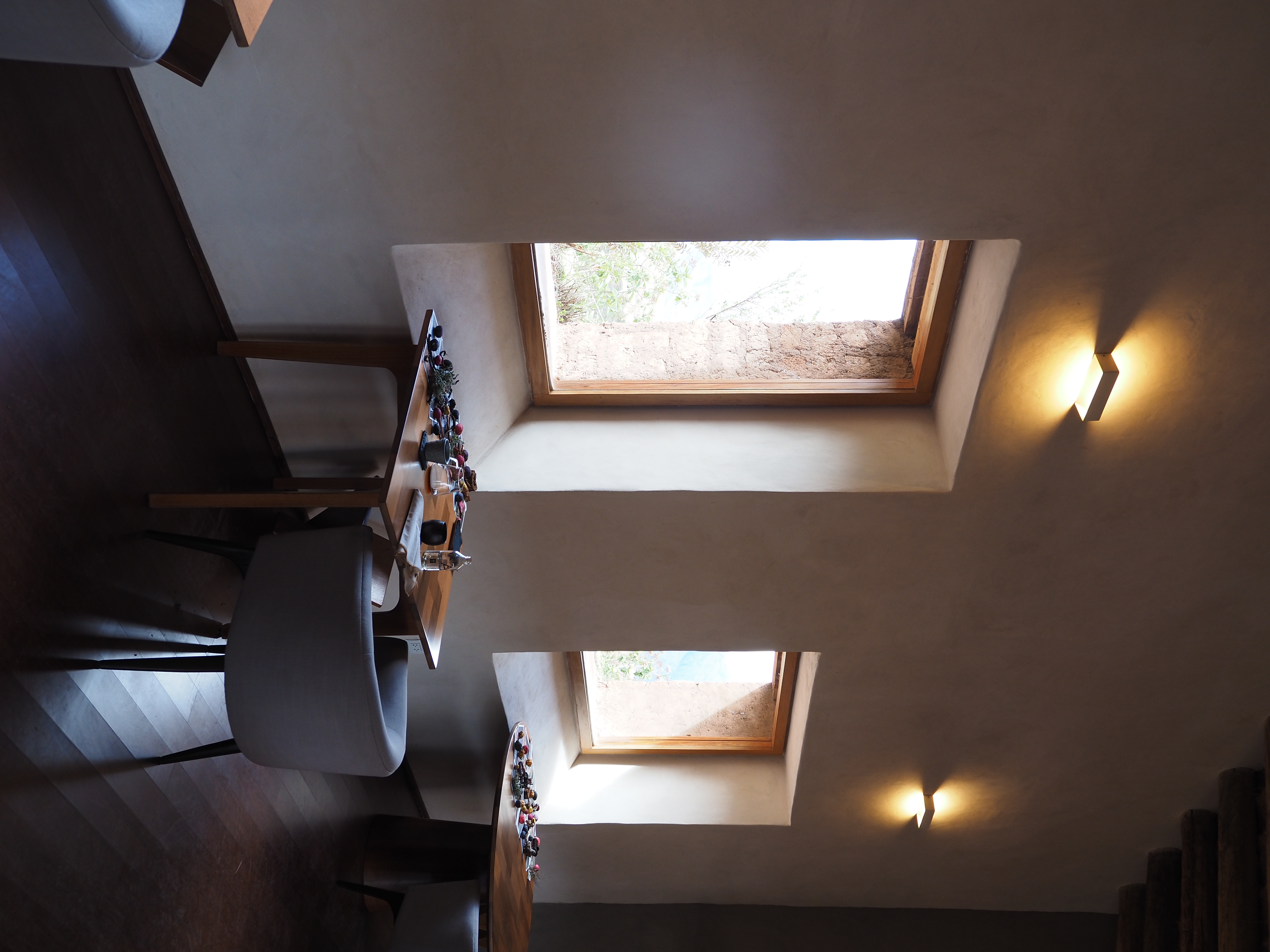
After a 10-hour flight from NYC to Cusco, a night in Urubamba, and a 40-minute drive through the Andes, I arrived at MIL Food Lab — sitting 3,568 meters above sea level, perhaps the highest-altitude fine dining restaurant in the world. MIL is known for its partnership with Central in Lima, which was ranked 1st by The World’s 50 Best Restaurants in 2023. Located right next to the Moray archaeological site, the entrance was packed with tourists. The area was covered in cornfields and local plants, with sheep grazing and small homes scattered across the mountains. No alpacas, though; apparently, they prefer even higher altitudes, where the soil is richer and the grains more flavorful.
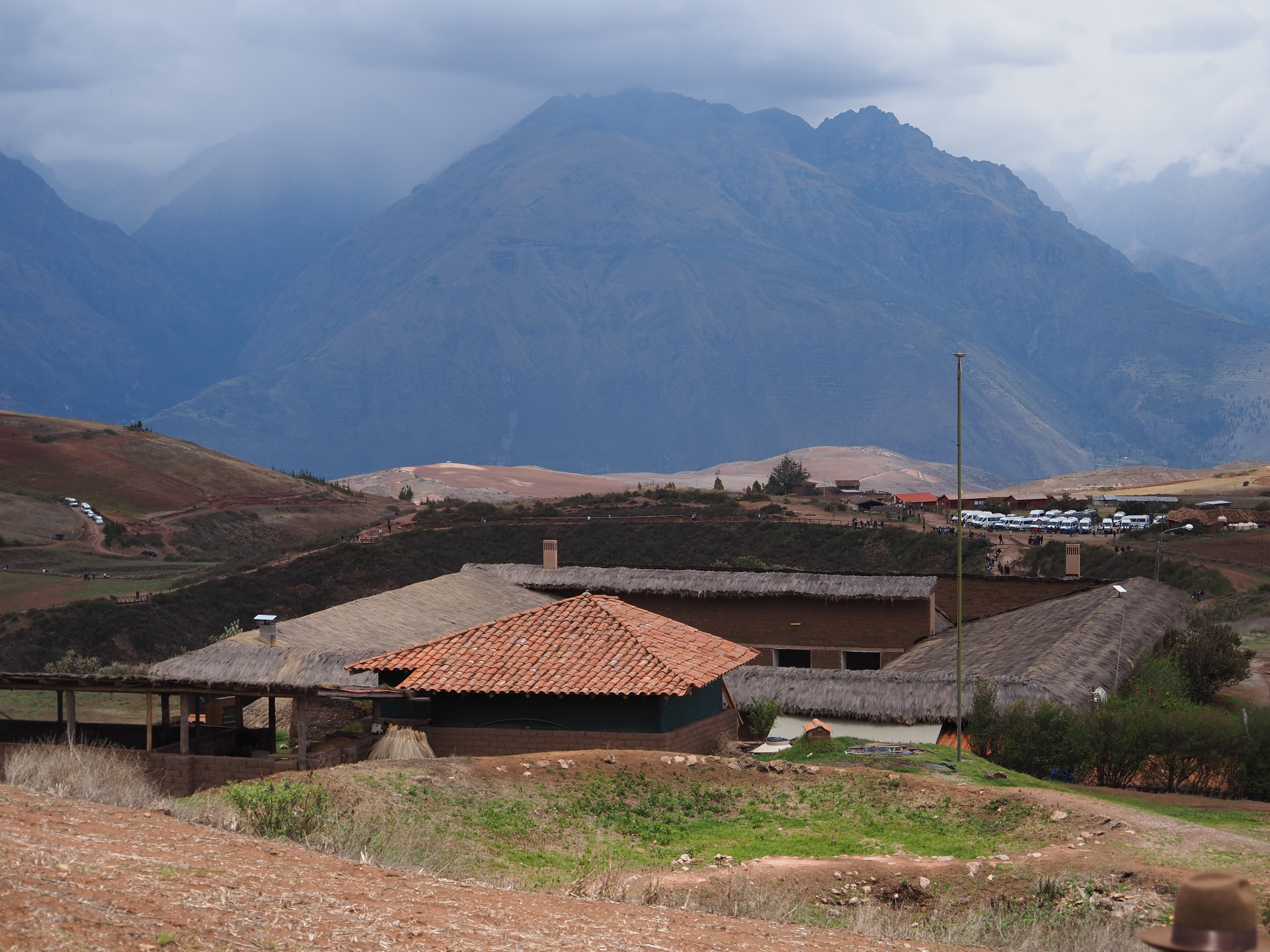
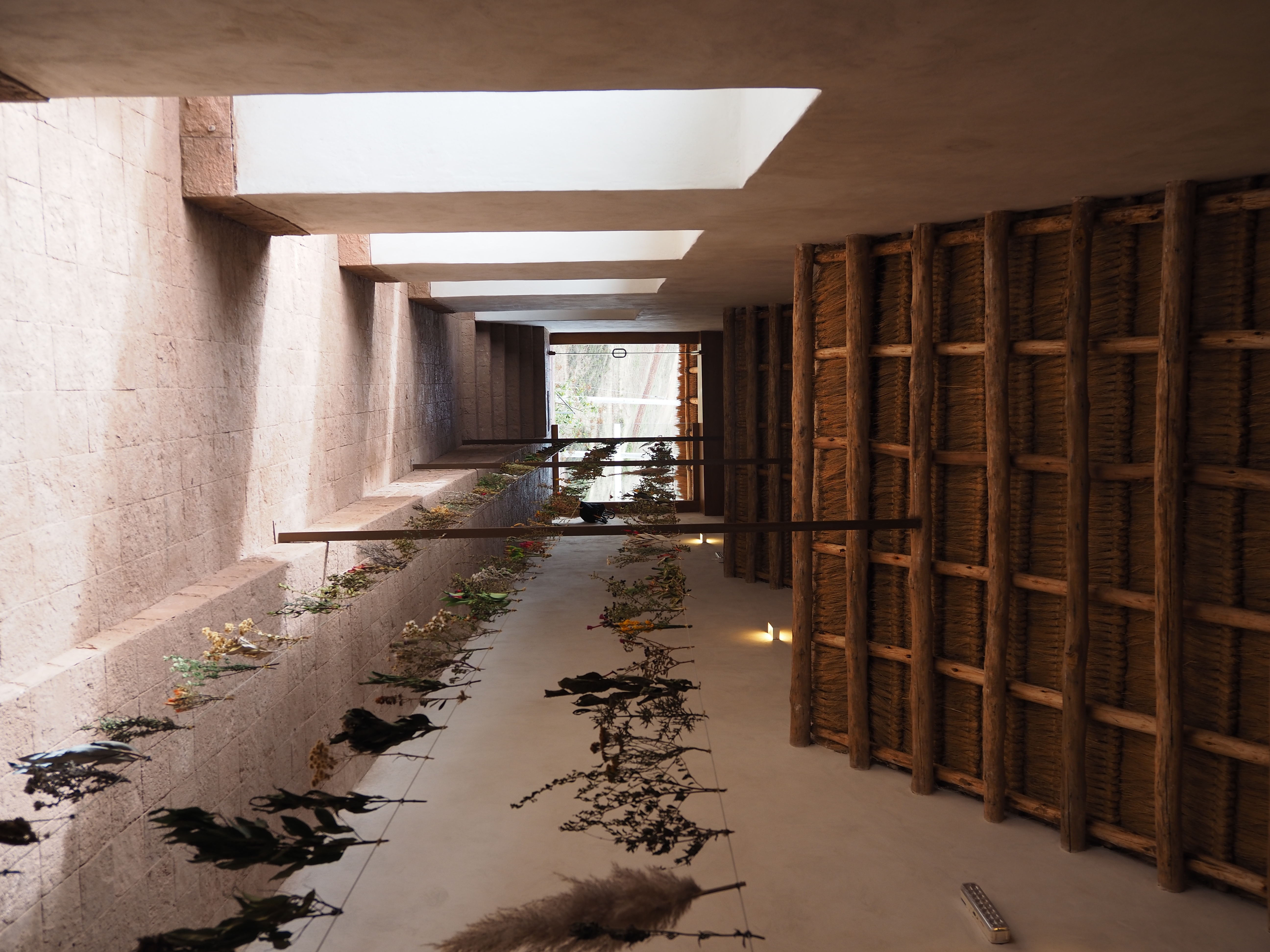
Stepping out of the car, I saw a single building—an ordinary house, no different from the other residences I’d passed in the mountains, with a plant-covered rooftop and grayish walls. Where is the restaurant? I wondered. But the moment I stepped inside, I felt transported to another world.
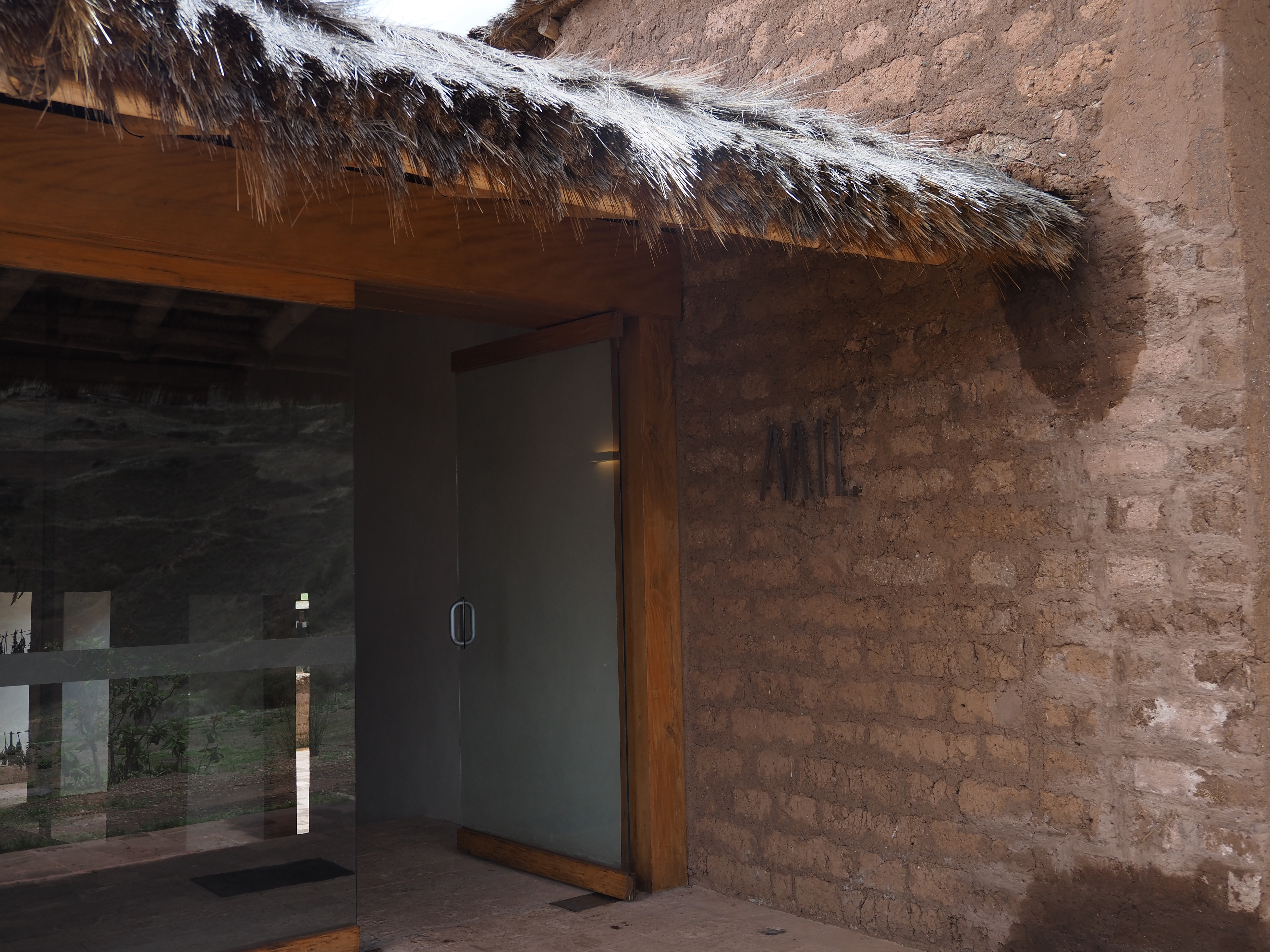
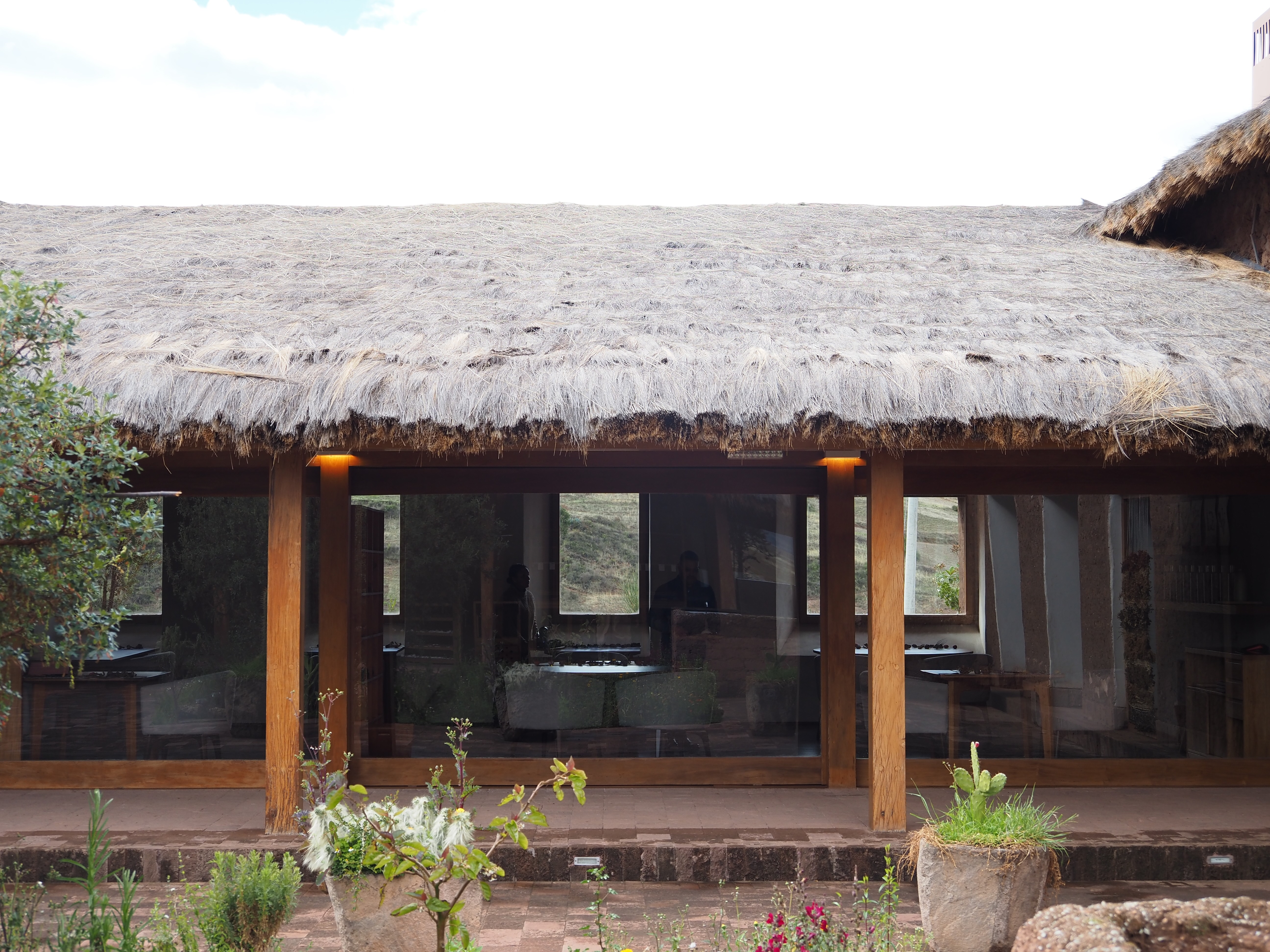
It wasn’t fancy or ostentatious—just a four-sided structure encircling a courtyard where a tree stood, its branches reaching skyward. A turn led to a table displaying preserved ingredients, another turn to the kitchen and bar, and finally, to the dining area. The symmetrical design reminded me of a Zen monastery, where energy is centered and contained within the architecture. The warm, earthy tones of the space were calming—exactly what my body, still adjusting to the altitude, needed.
I had booked the immersive experience: a two-hour botanical tour followed by the tasting menu. The tour was led by a local Inka farmer—Mercedes, who commuted 45 minutes by foot to work at MIL every day—and a translator. Mercedes still farms on the same land we were about to explore. The translator, who also came from the Sacred Valley, asked if I worked in tech — apparently, many of MIL’s guests are American tech workers. I said no, explaining that I study anthropology. He seemed delighted.
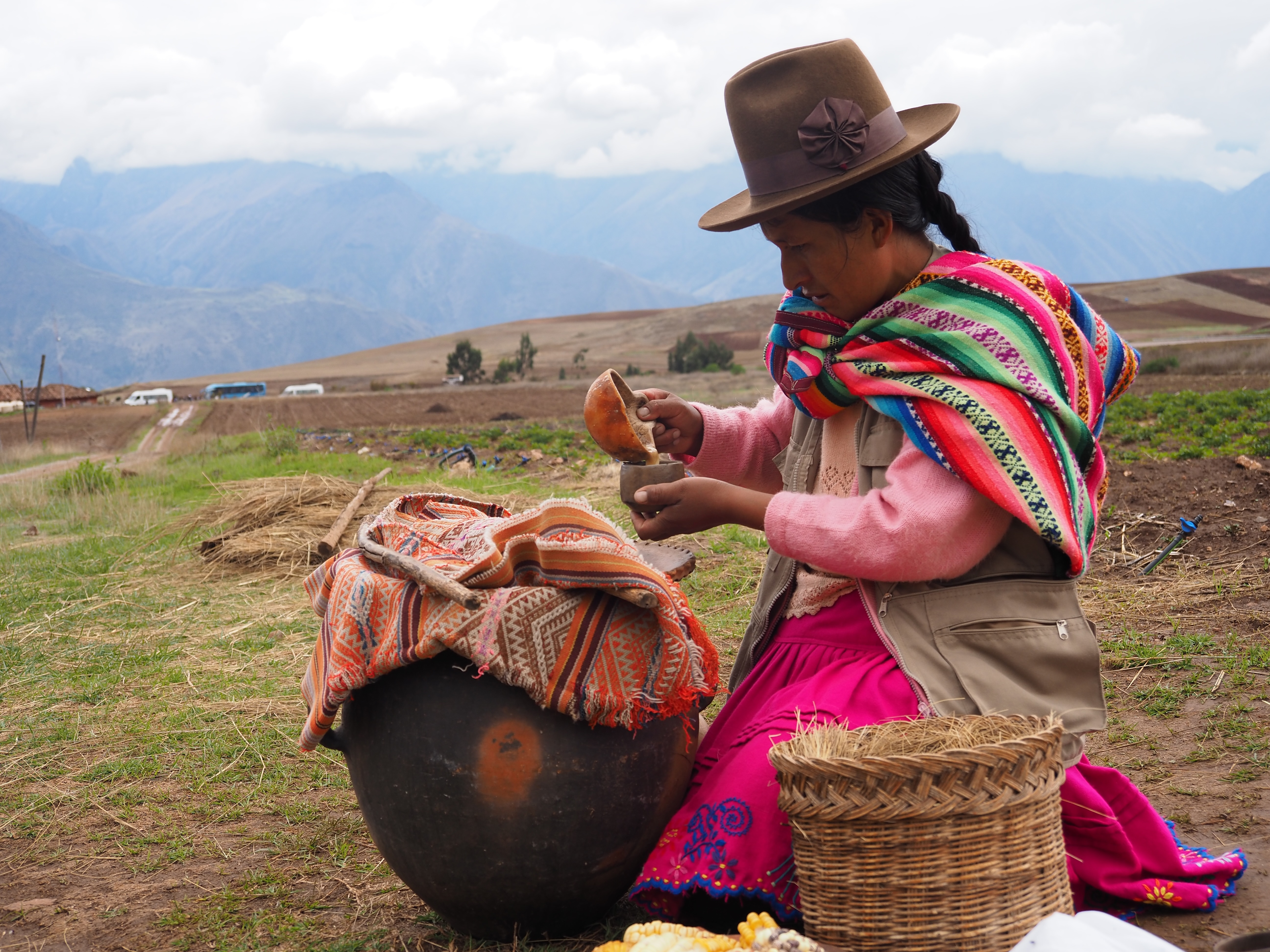
We began the botanical tour outside in the wild with chirika, a kombucha-like fermented drink made from sprouted corn and natural yeast. Before drinking, Mercedes taught me a ritual: we thanked each direction of the world — east, south, west, and north — before pouring half the drink onto the ground as an offering to Pachamama, the Inka’s earth deity. After the ritual, we took our first sip.
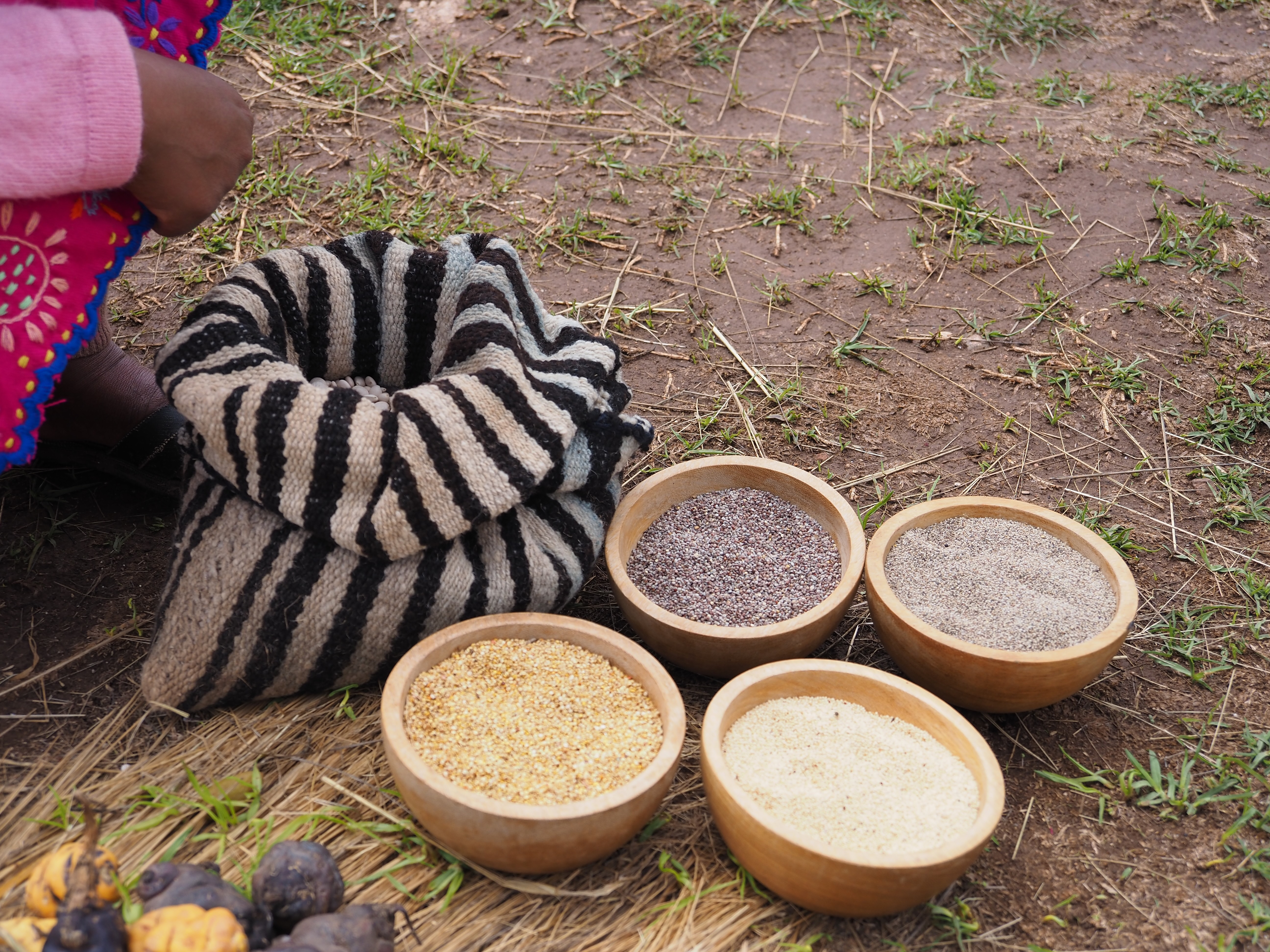
“It’s also called the ‘aha’ tea,” Mercedes said with a smile. “Because it’s so delicious, people always say ‘aha’ after drinking it.” I found myself doing exactly that.
She explained that chirika is a staple of Inka reciprocity. When people gather to help on a neighbor’s farm, the host offers them chirika before they begin their long day of labor.
“Inka people value reciprocity greatly,” she said. And perhaps it is this very tradition of reciprocity that has quietly shaped MIL’s mission as well; a restaurant not built on hierarchy, but on giving back to the land and the people who sustain it.
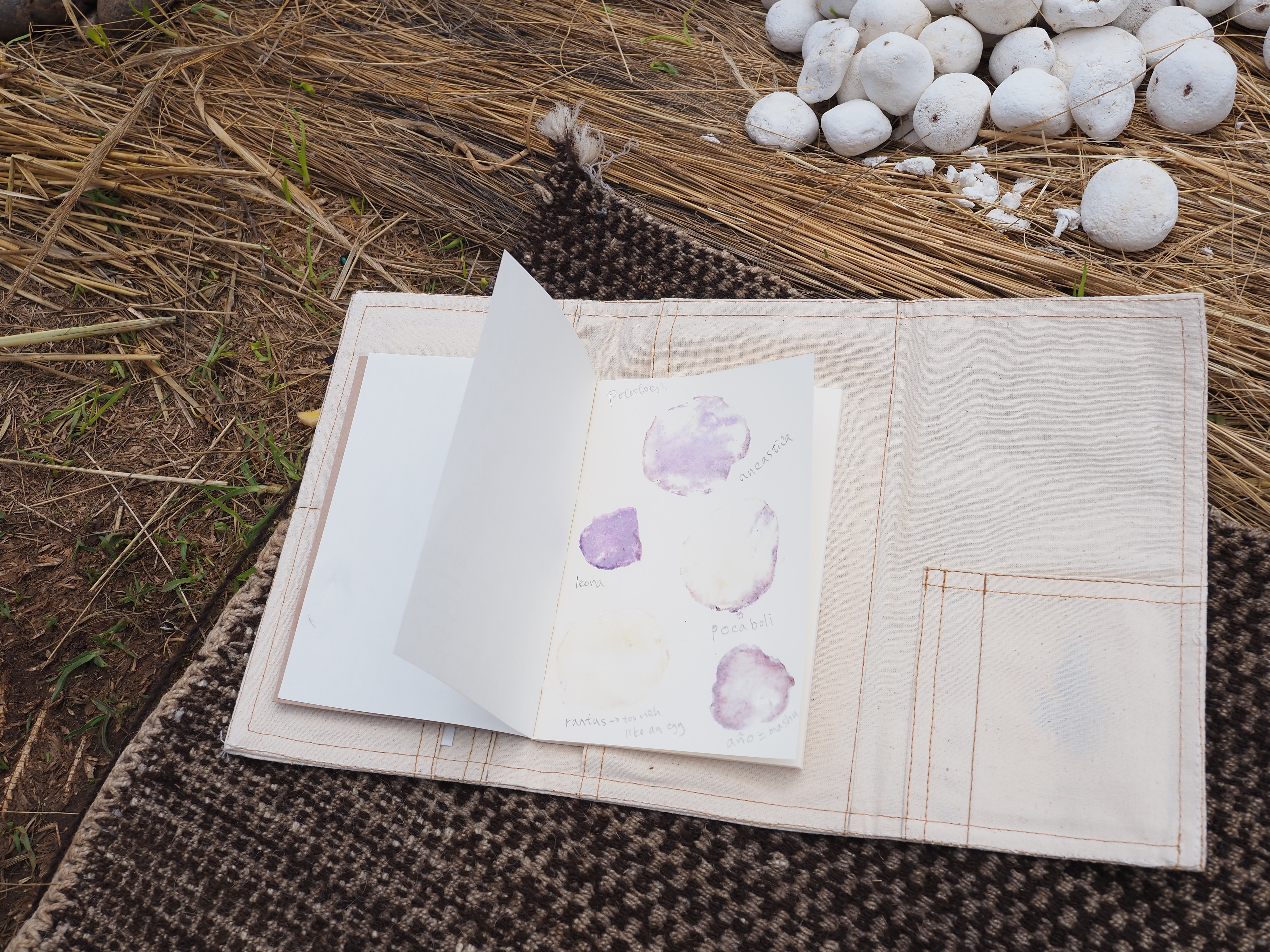 “Potato-stamps” from the natural coloring of the different potato varieties of the region.
As we walked through the landscape, Mercedes explained the terraced topography that allows this region to cultivate an astonishing variety of plants. She frequently stopped to pick leaves, crushing them between her fingers and explaining their medicinal and ritualistic uses in traditional Inka culture.
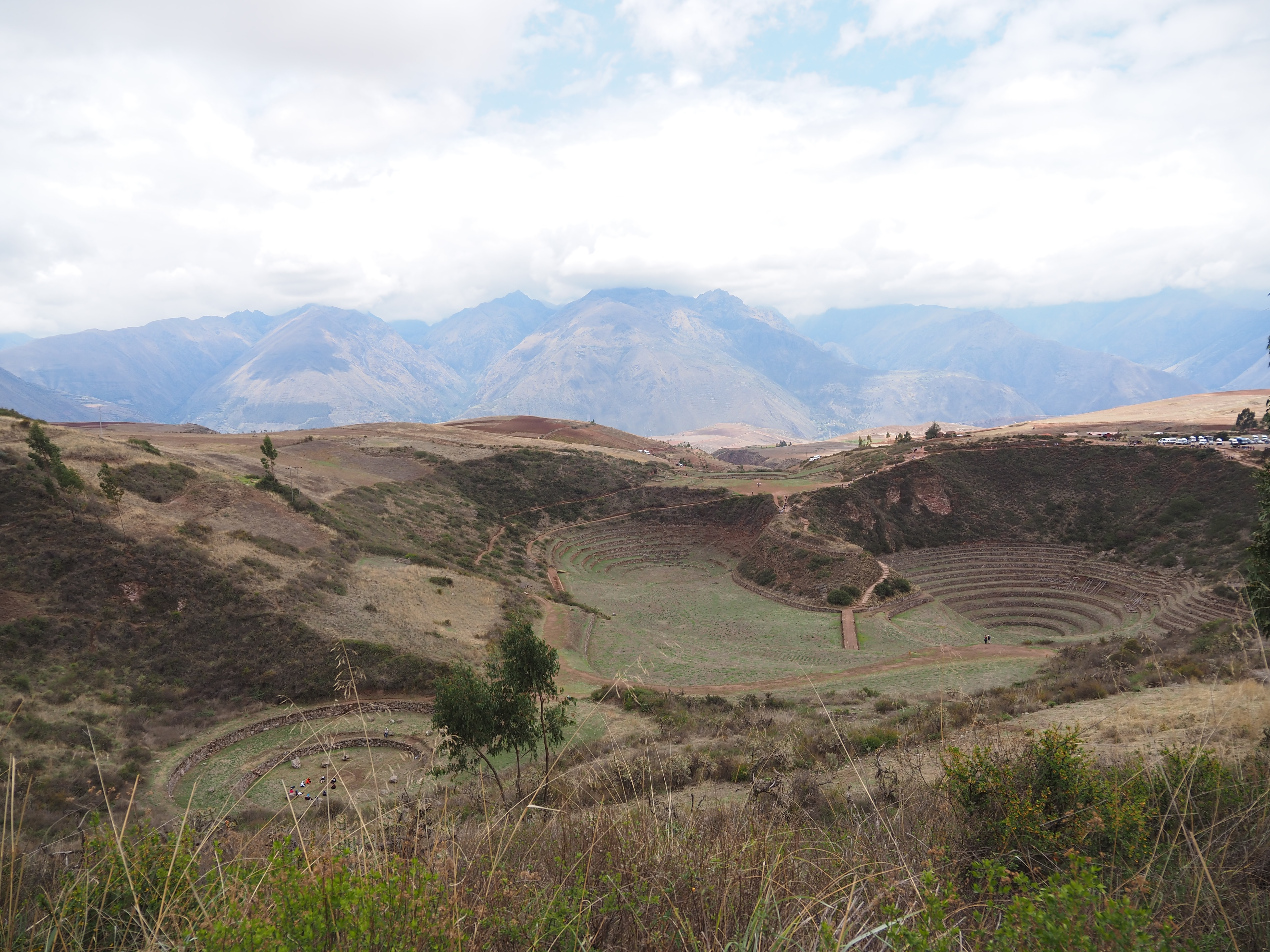
To my surprise, the Inka classification of plants bore a striking resemblance to traditional Chinese Medicine. Both systems categorize plants into binary opposites: the Inka classify them as fresh or warm, while the Chinese use yin and yang. Both systems link these properties to masculine and feminine energies. The key difference? The Inka method is more intuitive – you can recognize a warm plant by its strong scent when crushed. MIL, in its experimentation, has not only preserved these traditions but also incorporated them into culinary innovation.
We continued around the mountain, stepping on the soil that had nurtured the food I was about to enjoy. The sun cast a golden warmth over the valley, and for a moment, I felt fully connected to the land.
“Aha.”
Again, that was my reaction when I first sat down at my table. The window in front of me framed a view of the mountains and an open sky. A few cows grazed in the distance. Though I wanted to say it was the best restaurant view I’d ever had, I had to admit — the table to my right had an even better one, catching more of the Andes’ peaks.
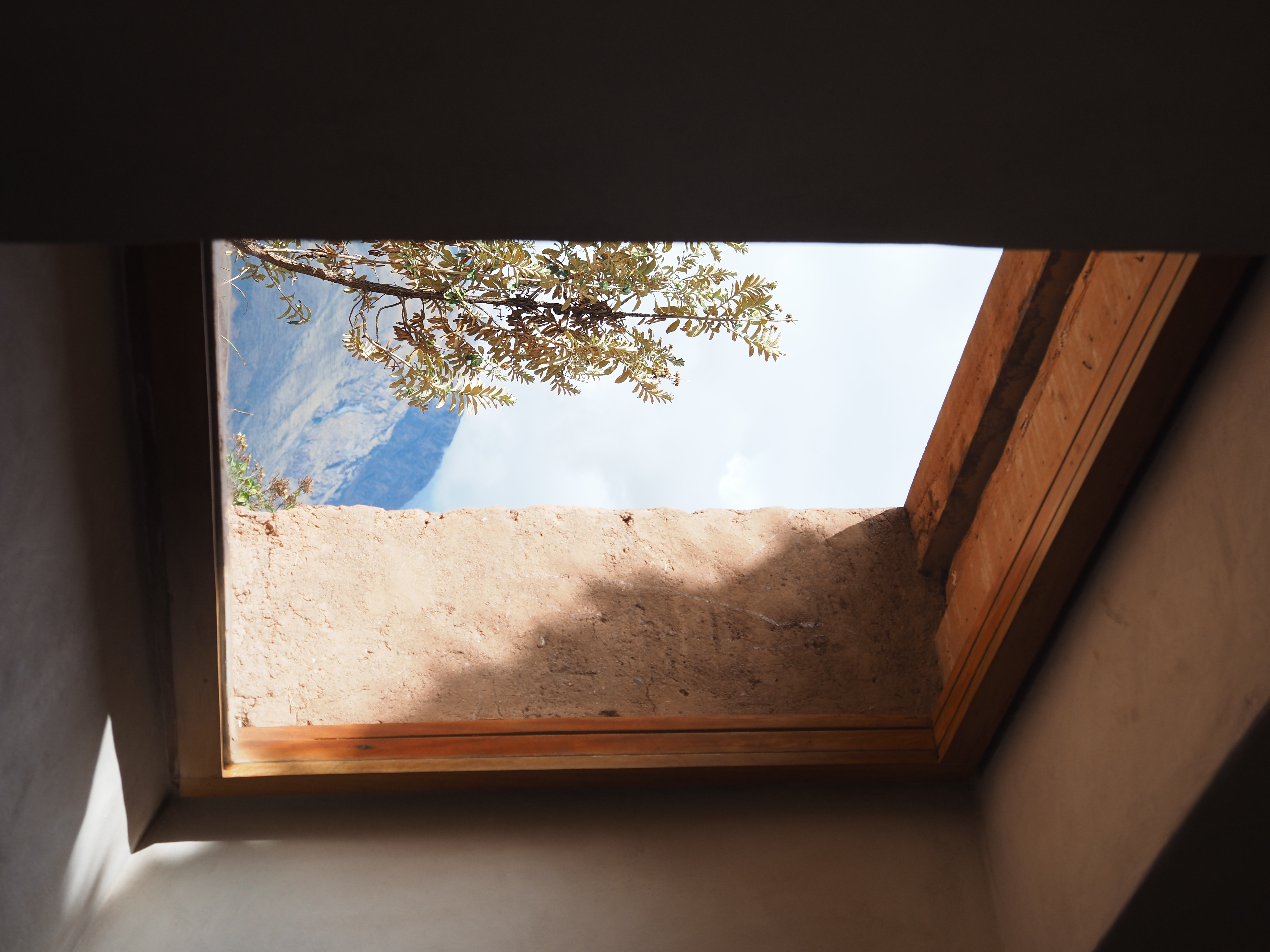
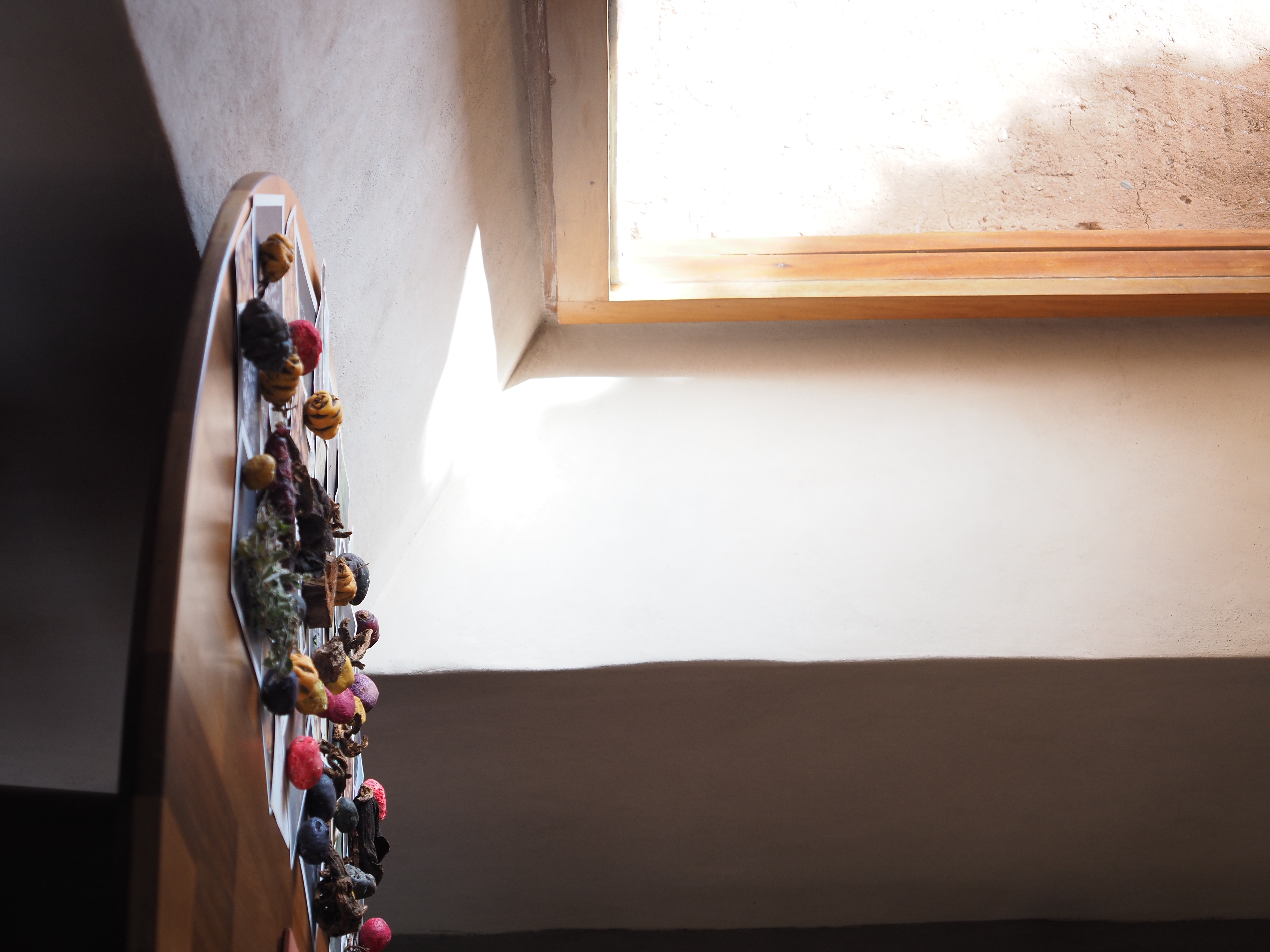
The wooden table was decorated with dried herbs, images of local ingredients, and a special kind of freeze-dried potato, dyed in vibrant colors with natural pigments. Mercedes had mentioned this potato during the tour — it has a decade-long shelf life, crucial for times of drought. The first course honored this ingredient: a tortilla made from its starch.
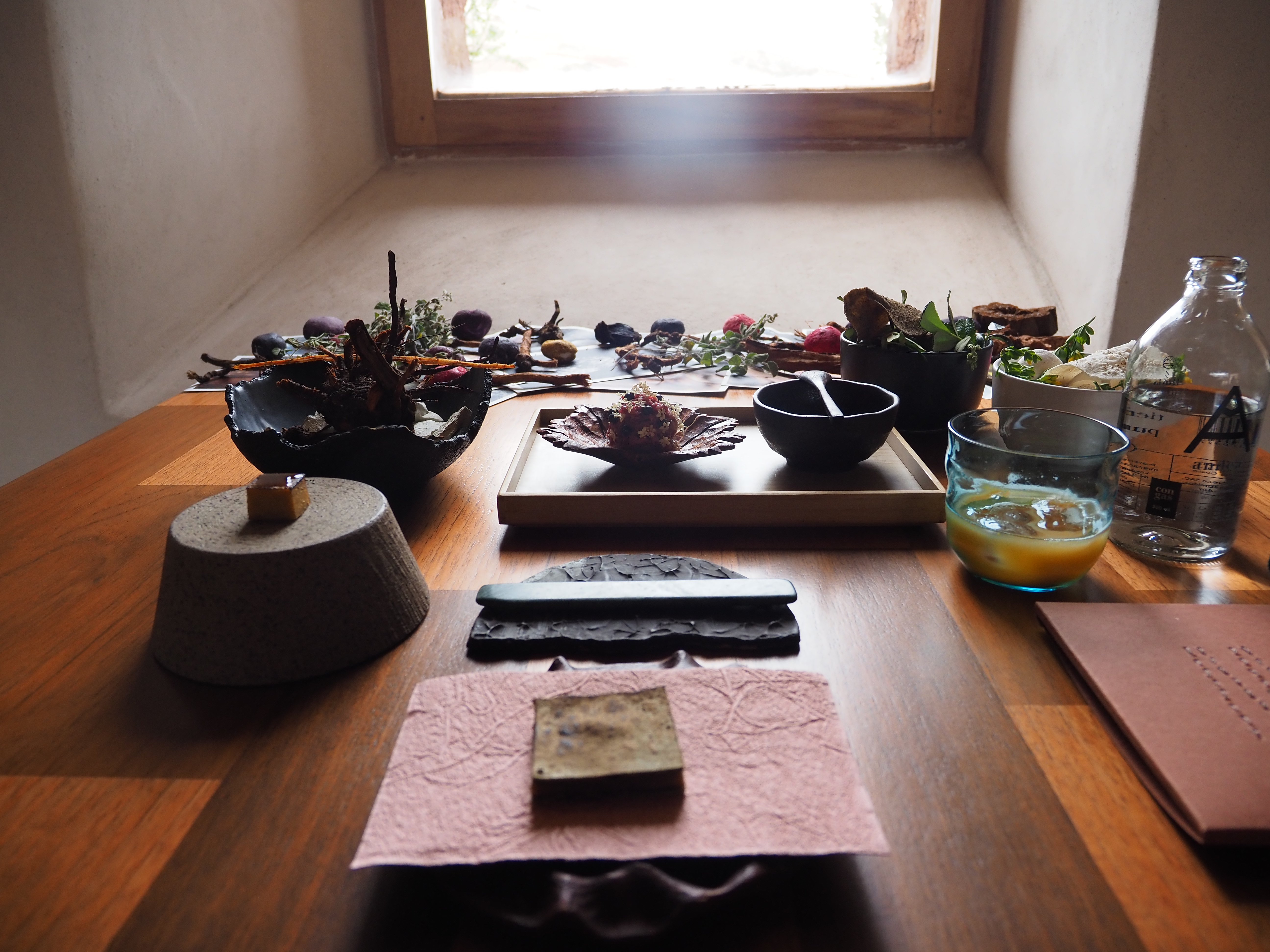 First Moment - Preservation: chuño / corn / uchucuta sauce / oxalls
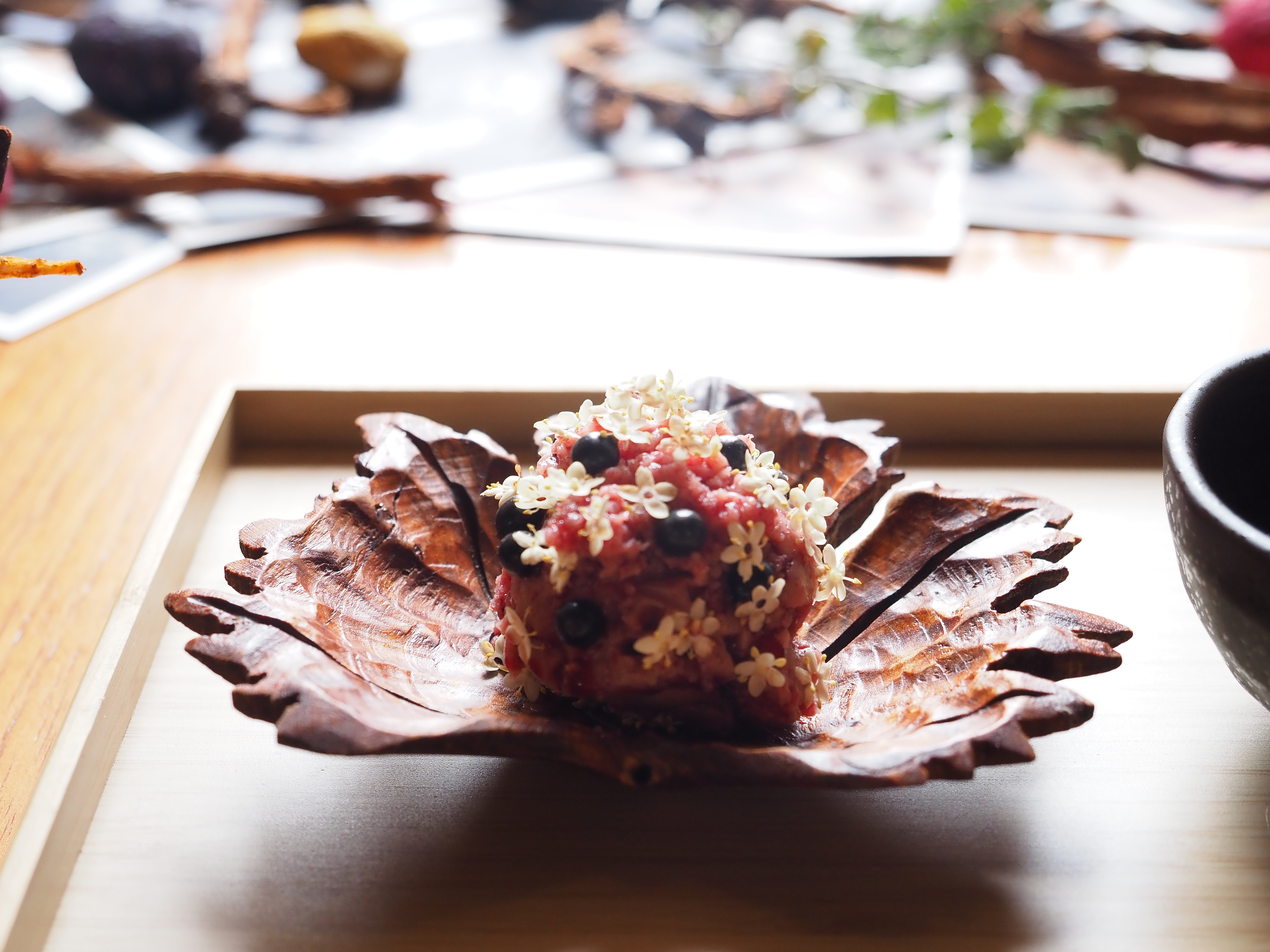 Closer look to the beautifully decorated oxalis-flavored butter.
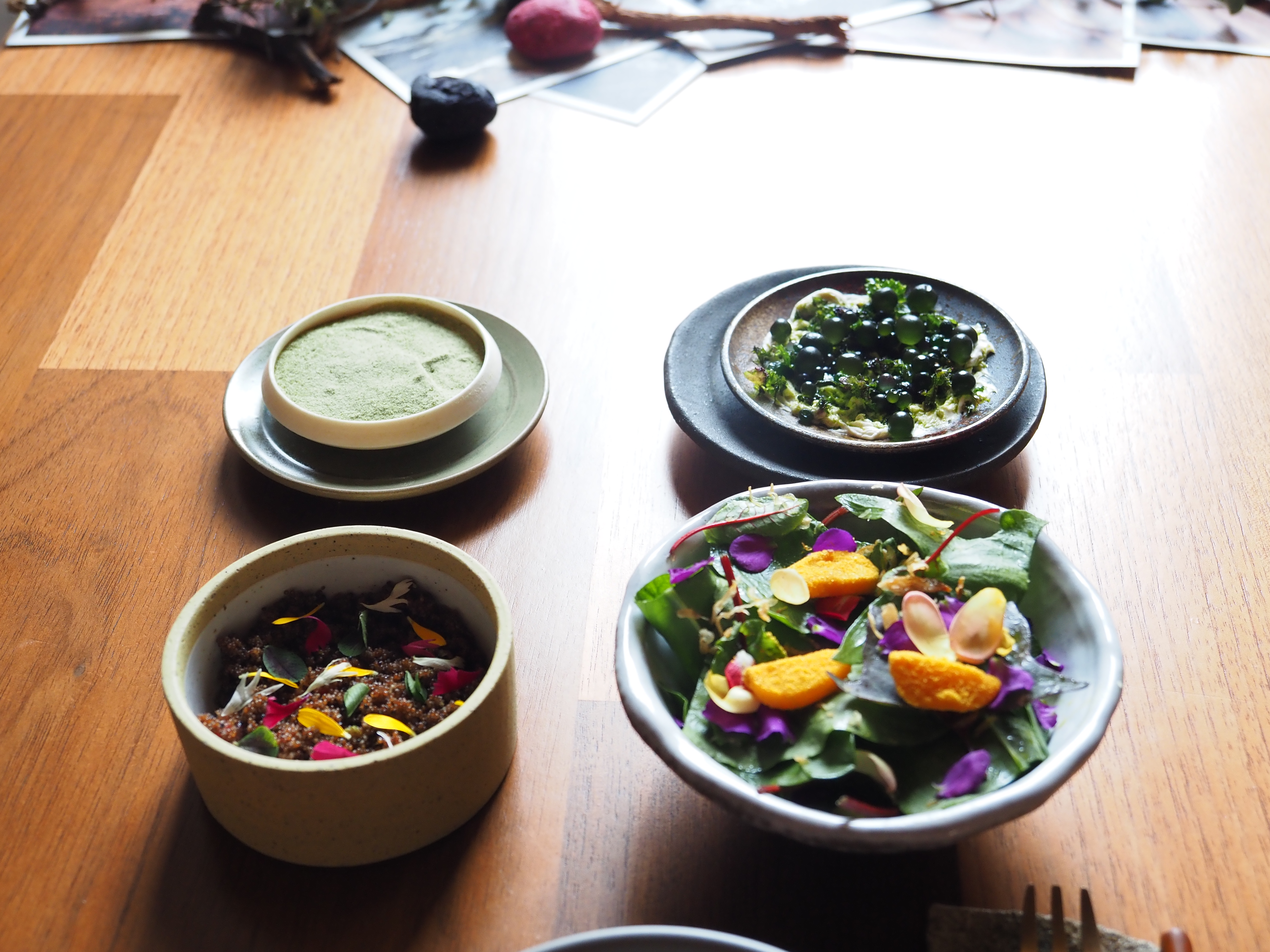 Second Moment - Highland: cabuya / lamb / kañiwa / cushuro
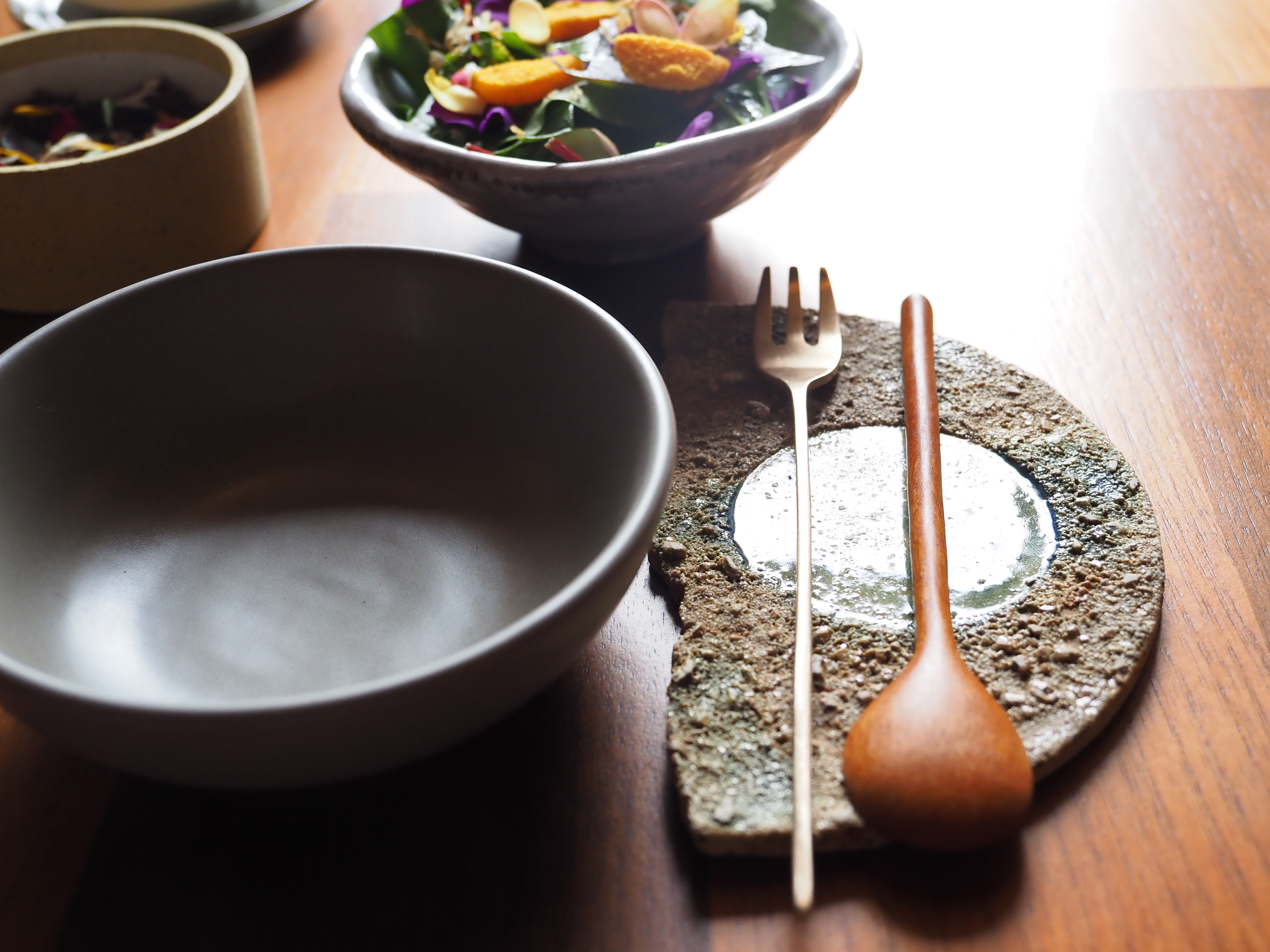 P.S. If you love ceramics as well Peru is THE PLACE.
Here is my favorite moment, one that brought together the unexpected textures from the highlands. The lamb tartare was silky and clean, the kañiwa added a light crunch, and the cabuya vinaigrette highlighted the fresh, crisp vegetables. The cushuro — those natural Andean “pearls”—gave a gentle, caviar-like pop that made the whole moment feel new and surprising. Yet, it was only until I followed their instruction to mix everything together, one action rare, even vulgar, in fine gastronomy, did the moment reveal its balance.
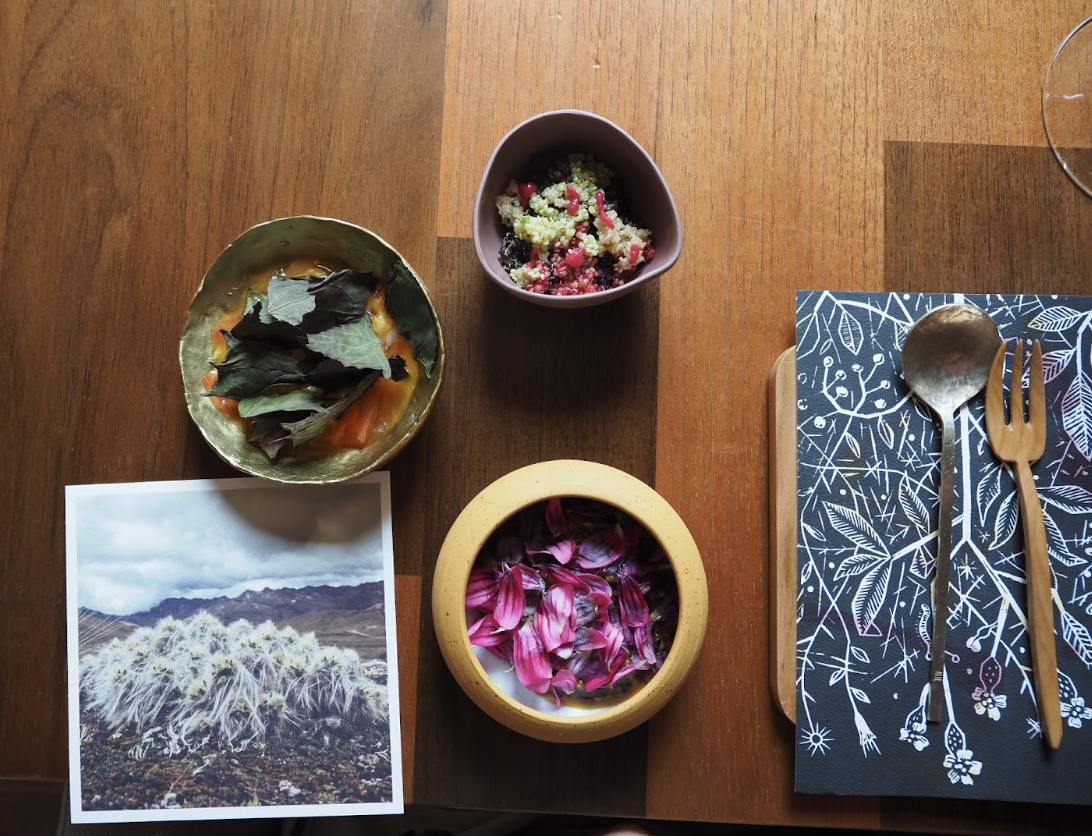 Third Moment - Extreme Altitude: alpaca / black quinoa / multigrains / ayrampo fruit
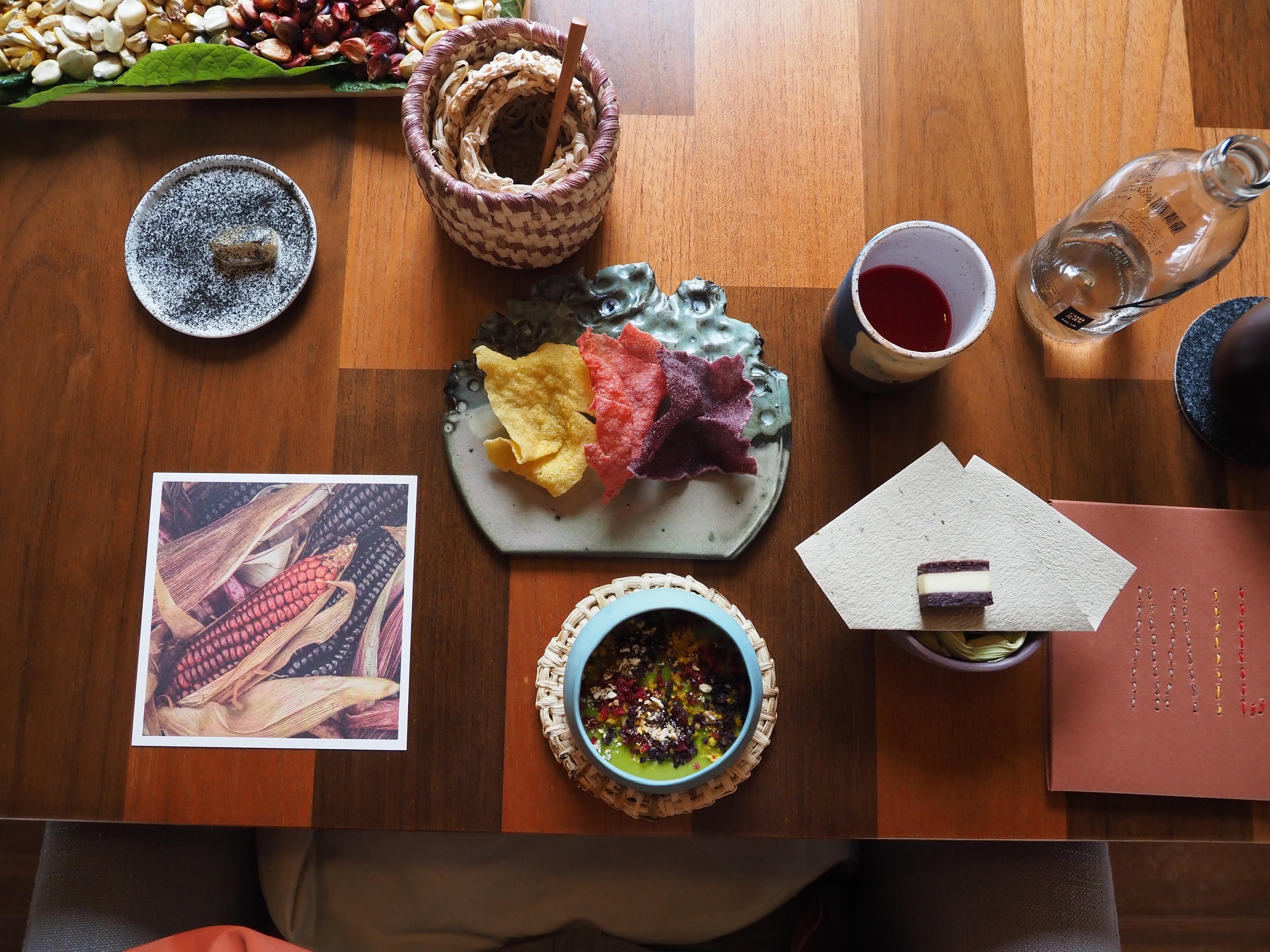 Fourth Moment - Corn Diversity: piscorunto / chullpi corn / urubamba corn / fresh cheese
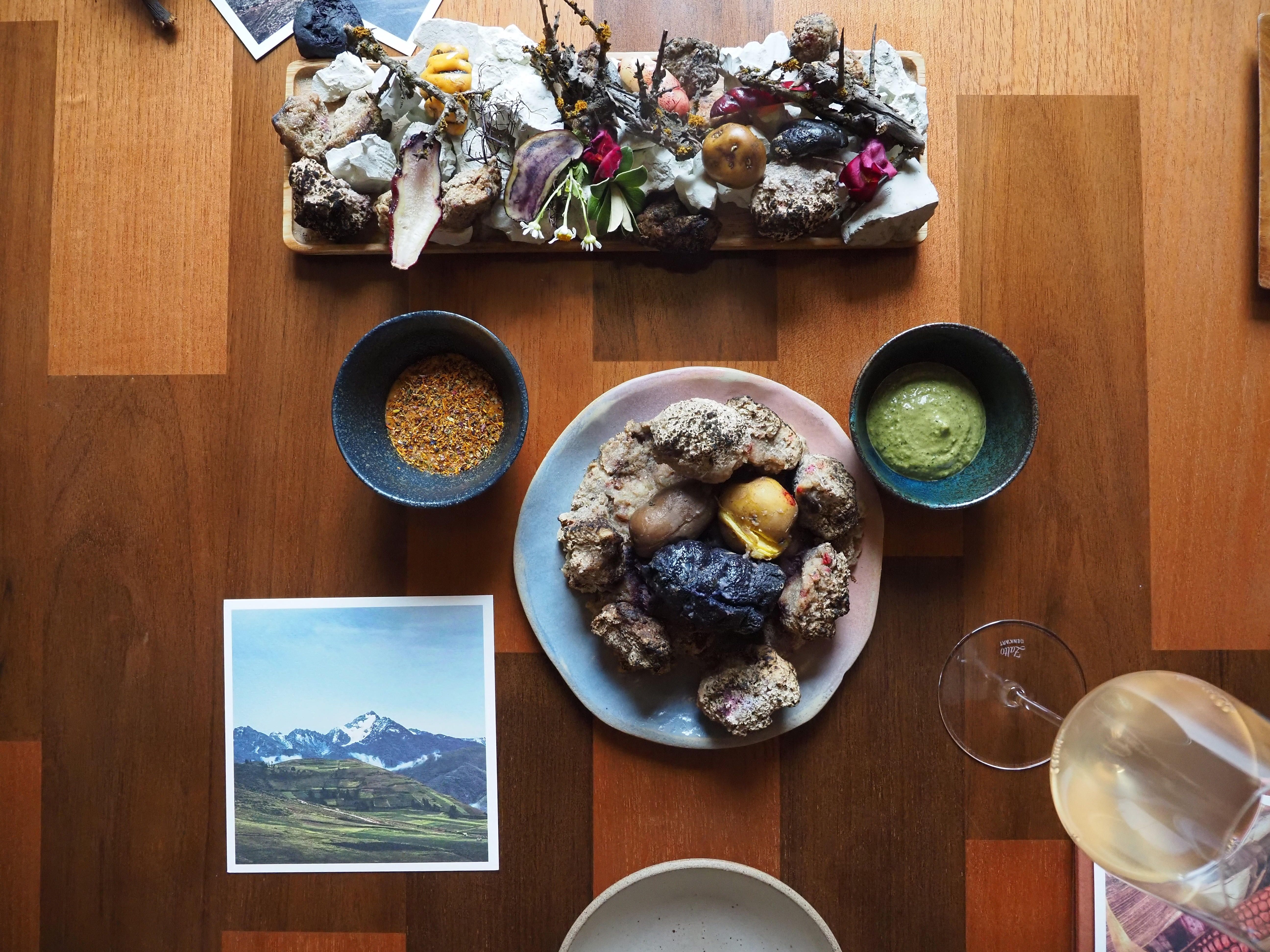 Fifth Moment - Central Andes: potatoes / stems / chaco clay / markh’u leaves
Those potatoes are worth mentioning. Baked in a mound of clay rocks, those baby sized potatoes were the exact types Mercedes showed me earlier. They offered some most diverse texture that potatoes could possibly offer, some soft, some chewy, some starchy. The potatoes are prepared without any seasoning, giving me the options to enjoy with one of two sauces, of the medicinal herb markh’u and of the spiced mixes.
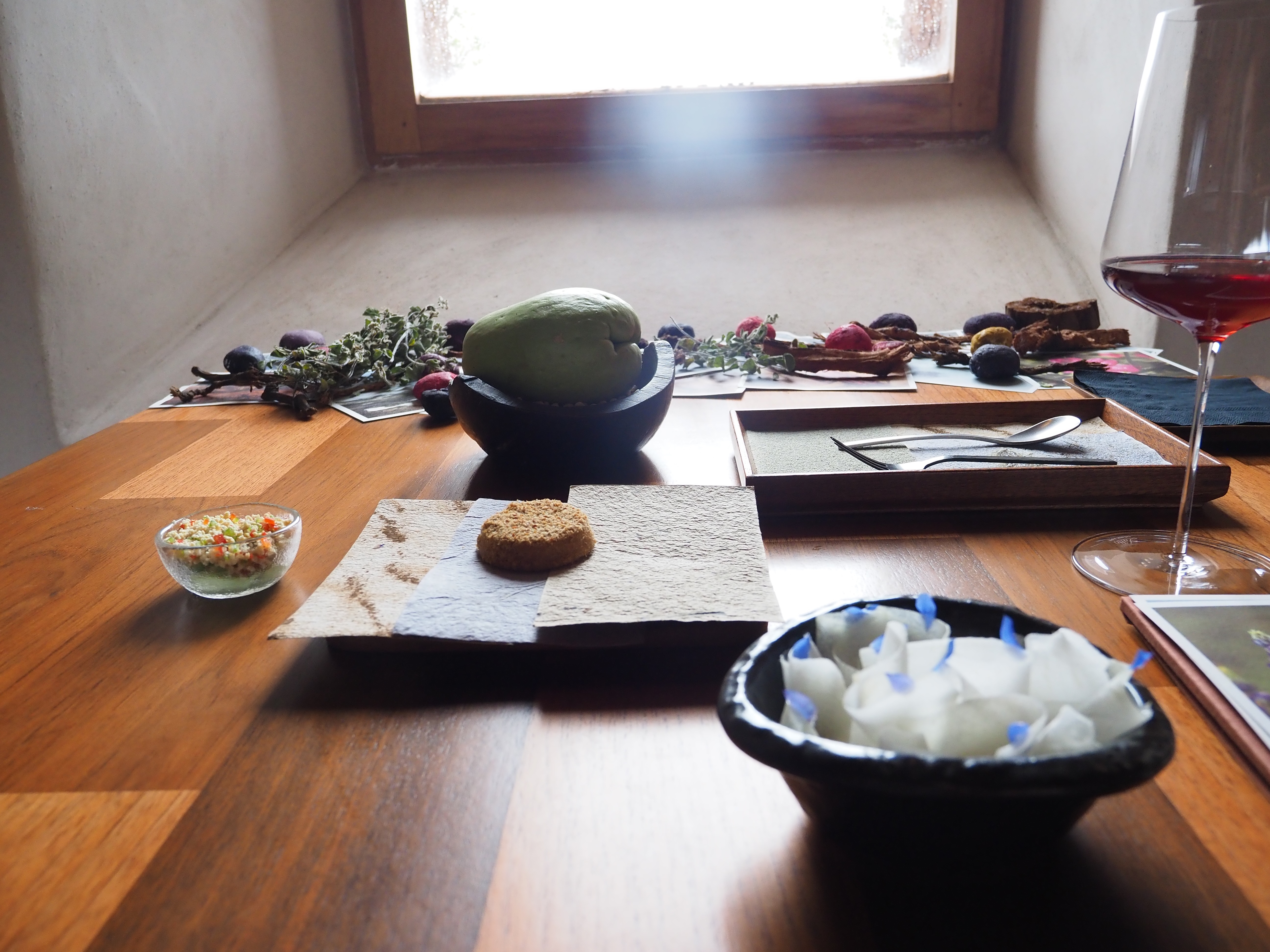 Sixth Moment - Andean Forest: terwi / duck / callampa / rocoto pepper
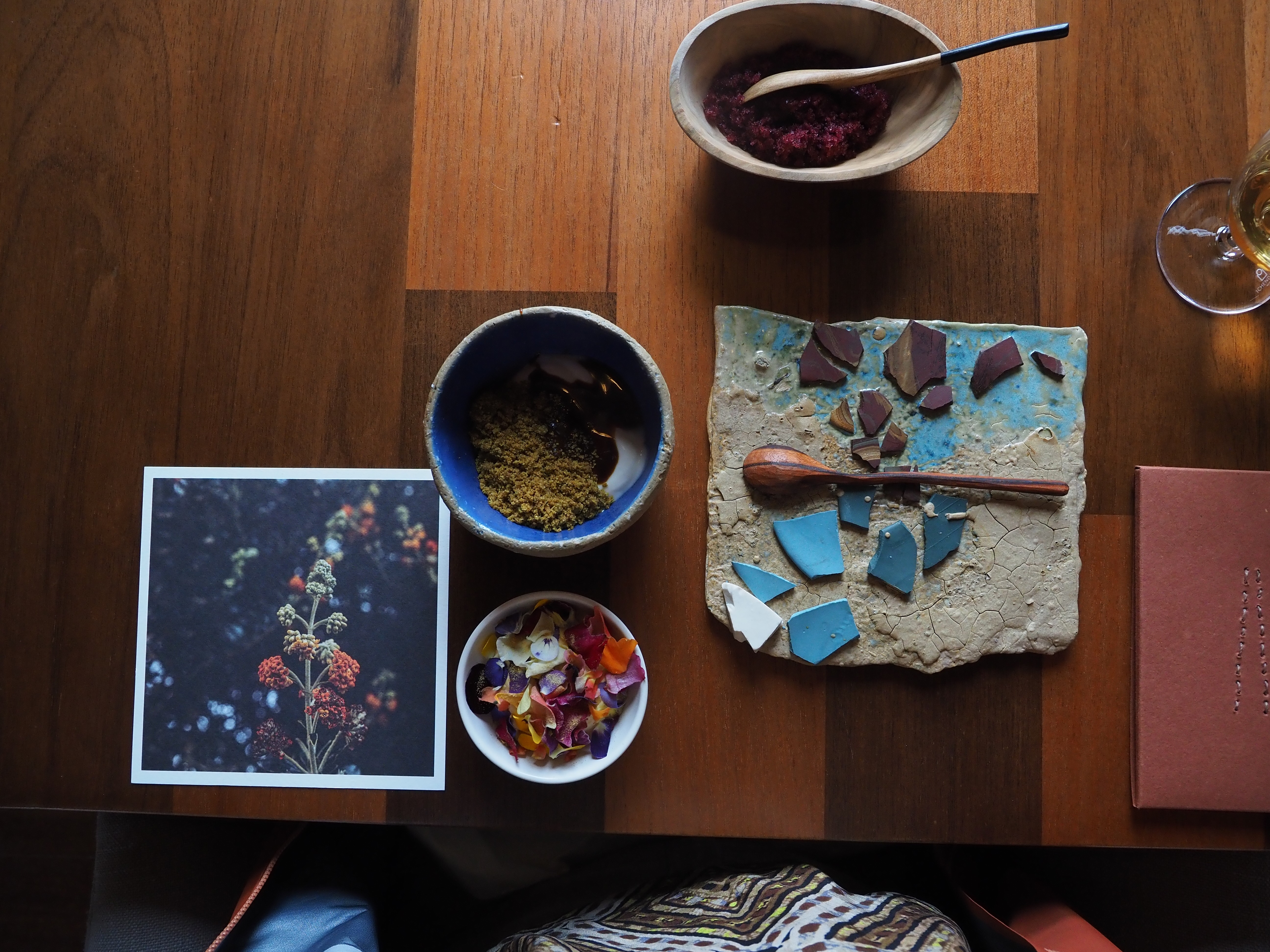 Seventh Moment - Frozen Cordillera: qolle / muña / tuber ashes
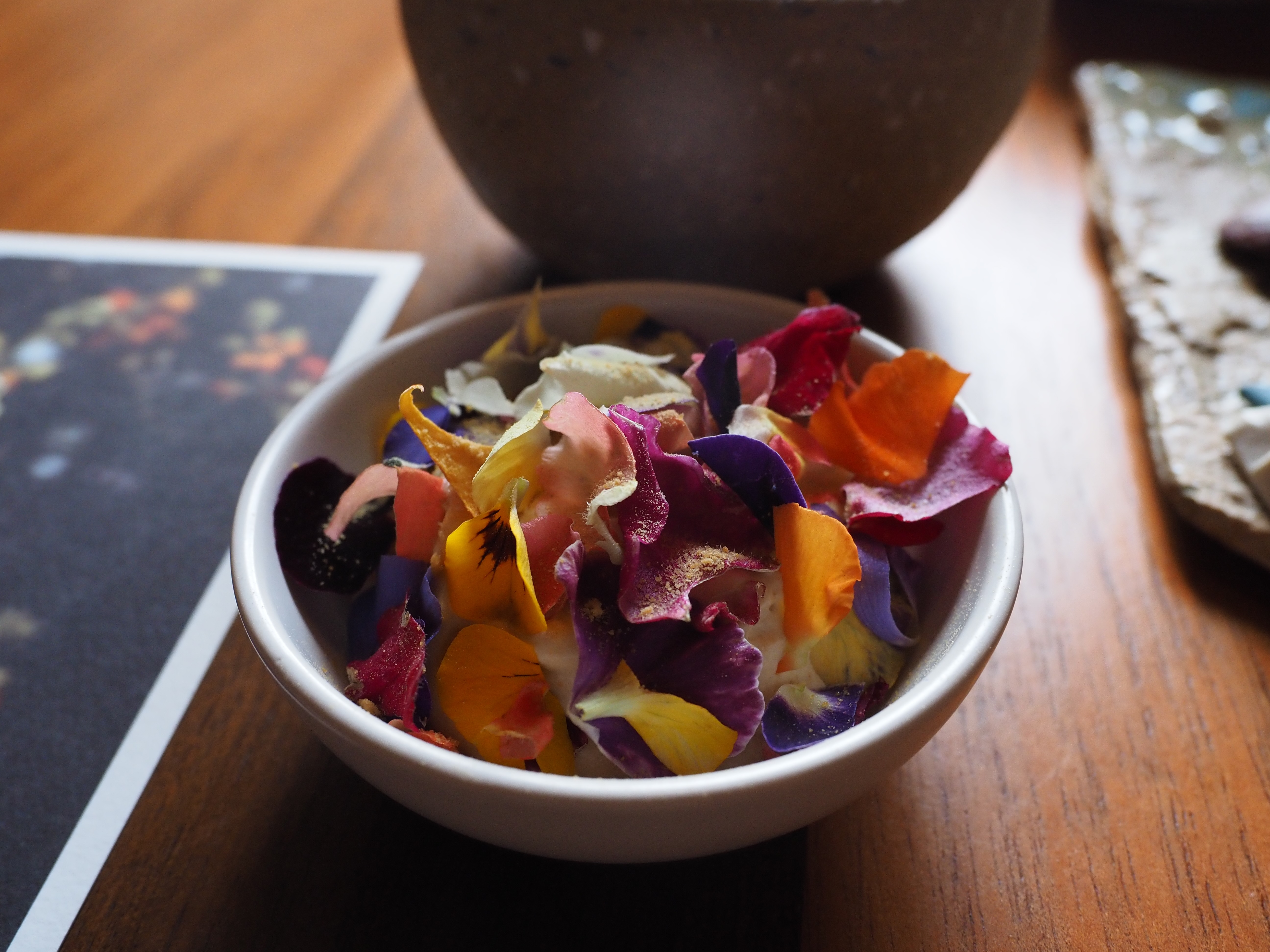 Isn’t it so pretty.
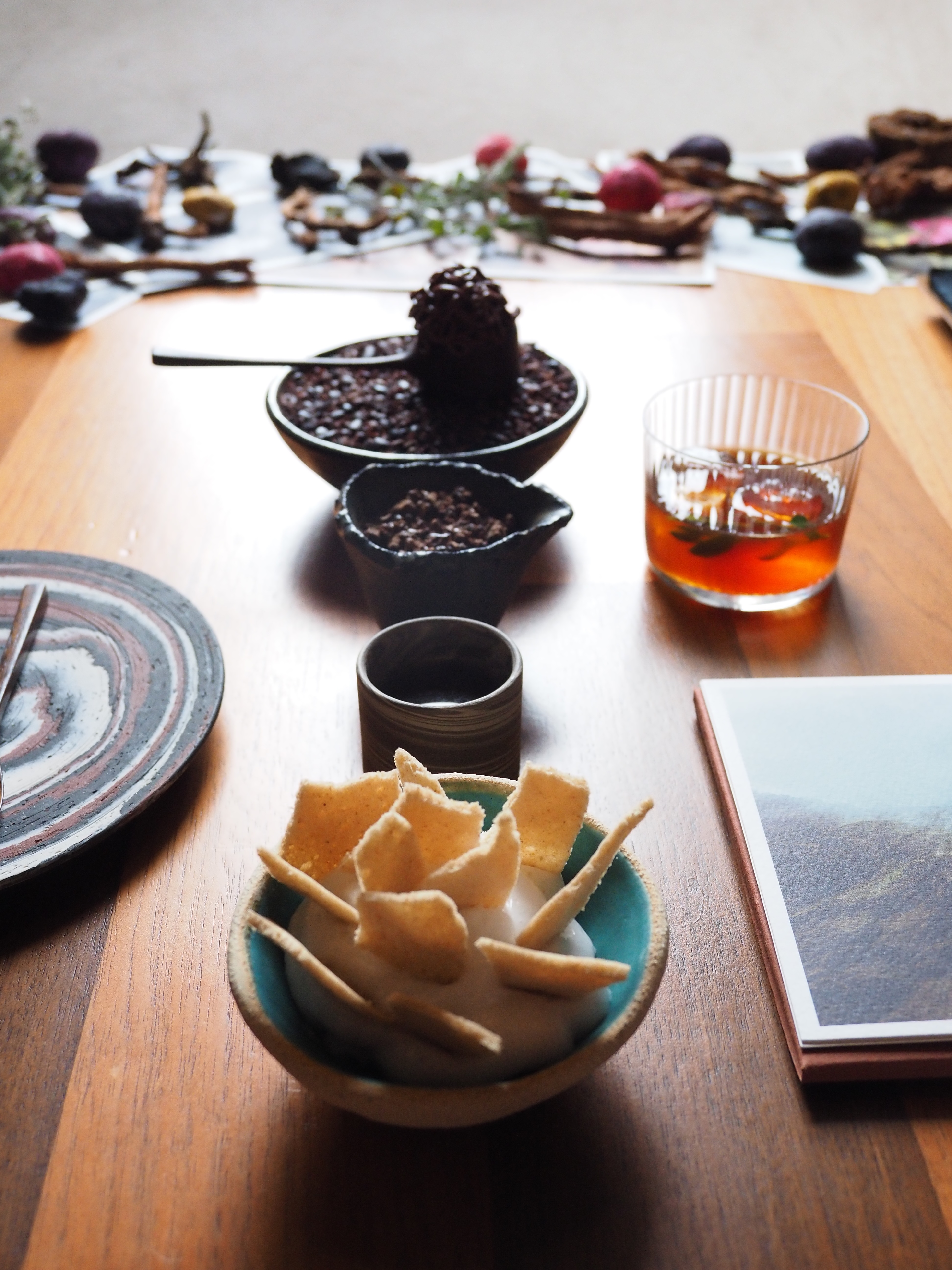 Eighth Moment - Sweet Huatia: mullaska / cacao / maiva
The complete life of a cacao fruit, as I would also name it. From the beans that we are familiar with to the white pulp that covers the beans, the moment embodies the restaurant’s value of utilizing all local resources and blabla. It was from the pulp, an often ignored part of the cacao, that the chef created the white foam where the chips stand. It tasted nothing like chocolate, but citrus fruit. The chocolate itself was made into a thin stripe that melted instantly in your mouth. Even the paired drink was made from fermented cacao, completing the experience, revealing yet another side of the fruit.
Later in the trip, I dined at Central, MIL’s renowned partner restaurant in Lima. After experiencing both, I understood why the two tables next to me at MIL both said, “I liked MIL much better.”
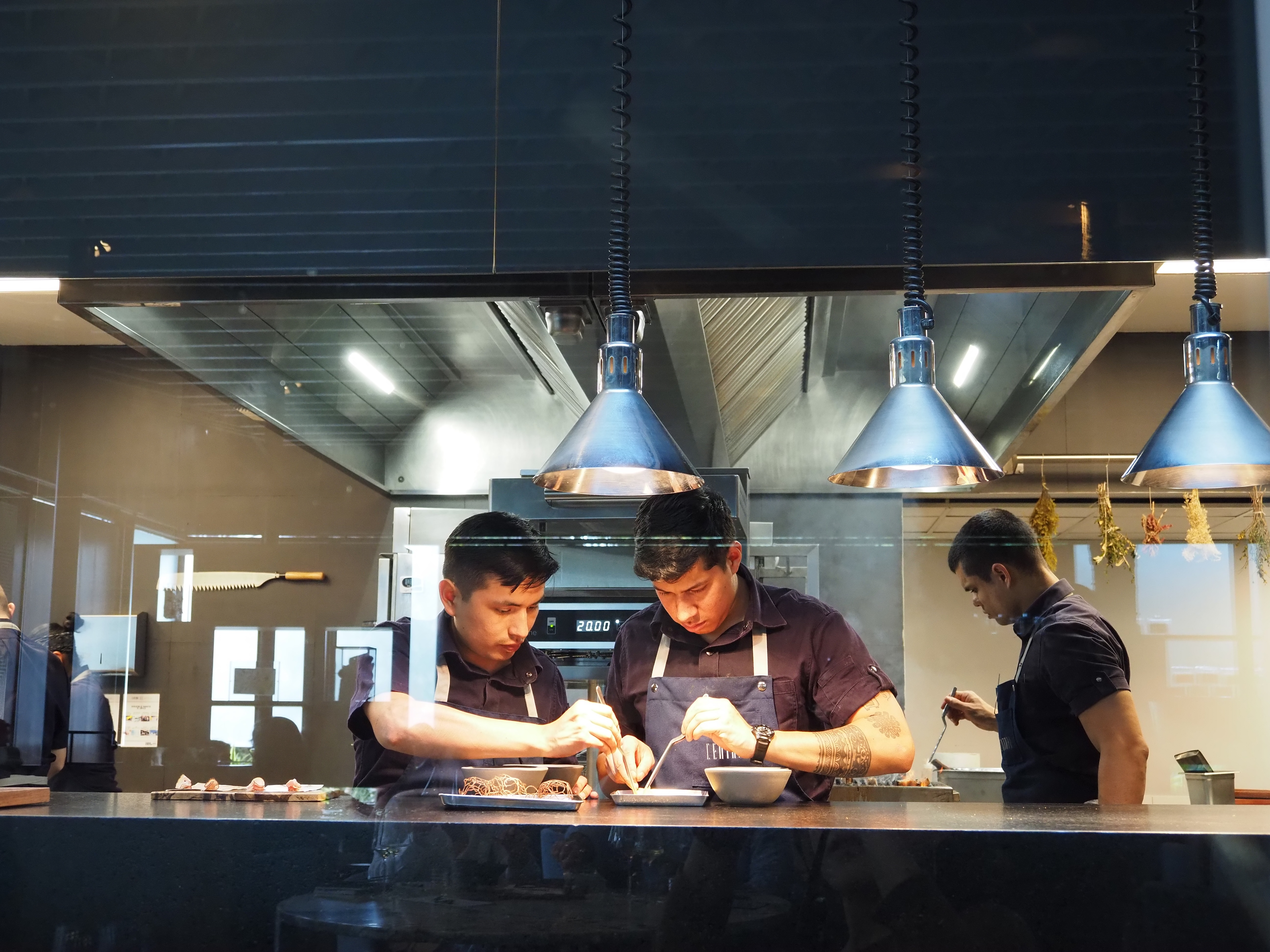 A peek of Central’s kitchen.
Central operates like any other world-class fine dining restaurant. To me, it felt like the Noma (Copenhagen, Denmark) of the Southern Hemisphere. Like Noma, Central constructs a national identity through cuisine, using hyper-local ingredients and indigenous cooking techniques. Both have become cultural symbols for their countries. Locally, they foster an ecosystem—former chefs open bakeries and restaurants, artists collaborate with them, and a national pride in their culinary heritage grows.
But there’s one problem Central (and high-end restaurants in general) has that MIL does not.
When my friend and I visited Eleven Madison Park in New York, we were struck by its military-like precision — the strict “Yes, Chef!” responses that we could hear in our seat. The pressure radiating from the kitchen along the voice. My former chef had once told me this was essential for efficiency. But is this really what fine dining should feel like? The movie The Menu (though exaggerated) portrays this dynamic well—an environment so tense that it inevitably seeps into the food.
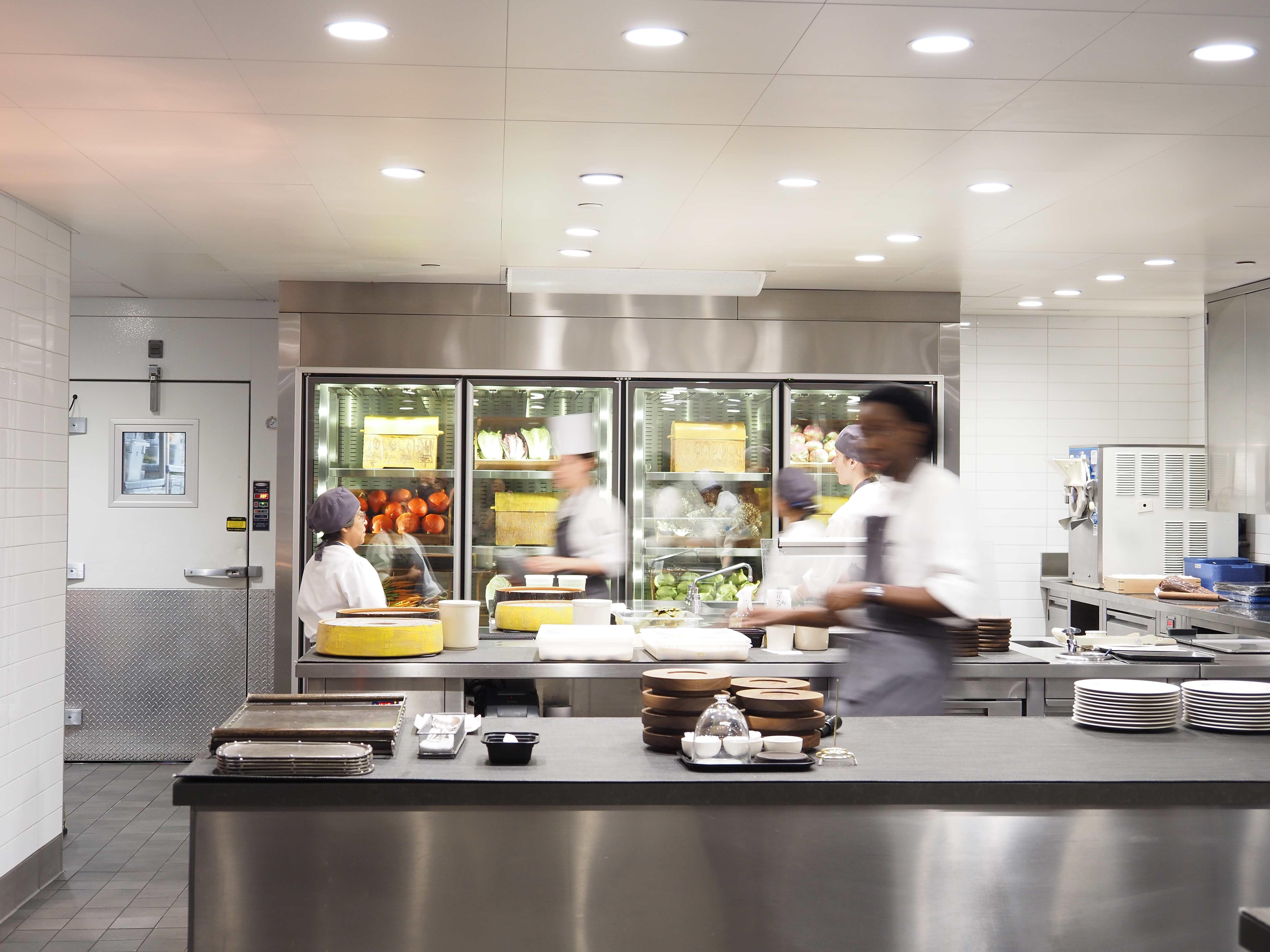 Behind Eleven Madison Park
At Noma and Central, the open kitchens showcase the chefs in action—but instead of a sense of wonder, it often feels like watching a pressure cooker about to explode. Waiters, too, are often rushed, rattling off descriptions at lightning speed, careful not to “mess up” or delay service.
Is that really what we want from dining?
MIL was different.
With just eight tables instead of 30 or 50, the experience was unhurried. The chefs weren’t rushing, the servers took their time to explain each dish with genuine pride, and I felt welcomed, not scrutinized. Instead of an environment where individuals fight for prestige, MIL radiated collective spirit — perhaps because of their shared belief in the mountains, in Pachamama.
Even though I try not to go too much astray, the experience at MIL inevitably made me reconsider the purpose of high-end restaurants. With those recent visits to EMP, MIL, and Central in comparison, our Chicago local pride Alinea seems to lack some essence. Chef Grant Achatz pioneered molecular gastronomy, but now that his techniques have spread worldwide, what remains unique about Alinea? Right now, it feels like a lab, detached from its surroundings—just as the name molecular suggests. Chef Achatz is no ordinary chef who settles for being one of many. So what spirit should Alinea embrace to stay truly distinct? Perhaps its recent loss of its third star would give the restaurant some time to slow down on its expansion and reflect on its mission.
(At the point of publishing Alinea has lost its third star. Let’s see if it will ever come back – though I personally think Chef Grantz’s focus has long shifted from food.)
Currently, I’m writing this on a train from Ollantaytambo to Machu Picchu. Mist drifts over the mountains, occasionally parting to reveal their full majesty. The Amazon River rushes below, merging with streams of different colors.
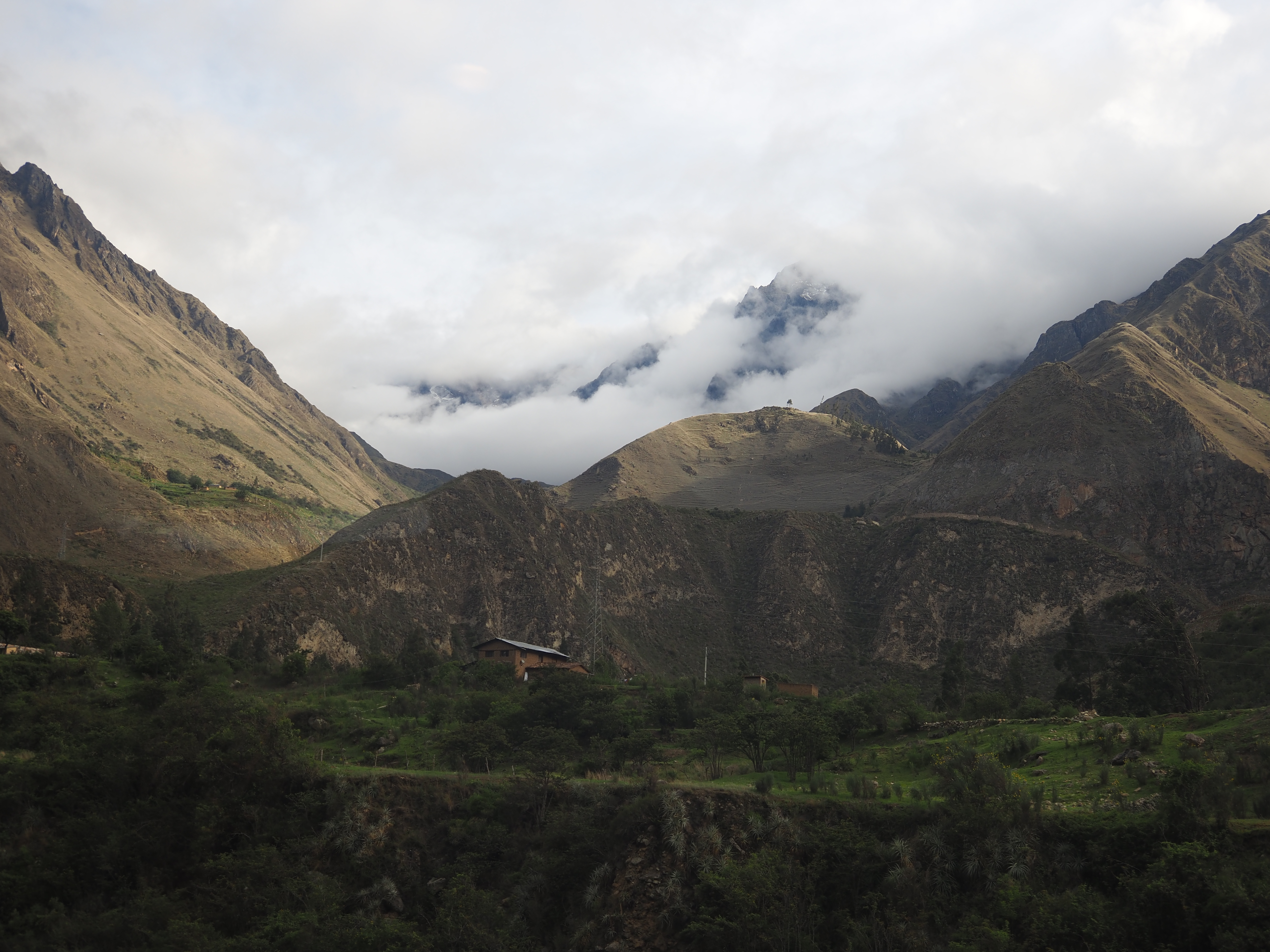
Though I’d love to simply enjoy the view, the high schooler next to me — busy typing on her laptop — reminds me that I should probably start writing. The faint smell of the train’s emissions pulls me back to reality.
Yet, at this moment, I begin to understand why Peruvians hold such deep reverence for their mountains. The woman across from me, eyes closed, sits surrounded by the Andes, the river, and a rare burst of sunshine in the rainy season.
For more culinary journeys — from haute cuisine to street food, from wine notes to dessert stories — follow @tree_bakes__ on Instagram.
This article is also published on UChicago Bite’s Blog and Fall/Winter 2025-2026 Issue.